


- July 28, 2026
- By Bobbie Hicks
- In Uncategorized
- 313
- 0
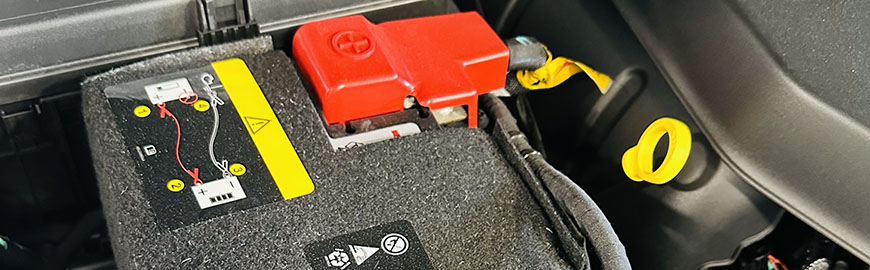
There was a time when replacing a car battery was one of the simplest repairs you could make. Disconnect the old battery, install the new one, and you were back on the road in a matter of minutes.
Today’s vehicles are much different.
Many modern cars require the new battery to be registered or programmed to the vehicle’s computer after installation. While the battery itself may look familiar, the technology behind it has changed significantly.
Today’s vehicles rely on dozens of electronic control modules that communicate with one another. Many manufacturers also use intelligent battery management systems that continuously monitor battery condition, charging rates, and electrical demand.
When a new battery is installed, the vehicle may still think the old battery is in place unless the system is updated.
Registering or programming the new battery allows the vehicle to recognize its age, capacity, and charging characteristics. This helps the charging system operate correctly and can extend the life of the new battery.
Depending on the make and model, failing to register a new battery can lead to several issues.
The alternator may overcharge or undercharge the battery.
Start stop systems may stop working properly.
Dashboard warning lights may remain illuminated.
Vehicle settings or electronic features may not operate as intended.
Perhaps most importantly, the new battery may wear out much sooner than expected because the vehicle is charging it based on the characteristics of the old battery.
Not every vehicle requires battery registration, but many European manufacturers have used this technology for years, and it is becoming increasingly common on domestic and Asian vehicles as well.
Modern vehicles depend on a stable electrical system. Even a simple battery replacement can affect features such as:
In some vehicles, replacing the battery without following the proper procedures can trigger fault codes or require additional system resets.
Installing the correct battery is only part of the job. Battery size, cold cranking amps, reserve capacity, and battery type all need to match the manufacturer’s specifications. Many newer vehicles also use specialized AGM batteries that should never be replaced with a conventional battery.
Professional installation ensures the correct battery is selected, installed safely, and properly registered if required by the manufacturer.
At BBack Car Care, we stay current with the technology found in today’s vehicles. Our diagnostic equipment allows us to determine whether your vehicle requires battery registration or programming and perform the procedure according to manufacturer requirements.
We also test your battery, charging system, and starter to make sure the battery is truly the source of the problem. In many cases, a weak battery is only one piece of a larger electrical issue.
Modern vehicles have made driving safer, more efficient, and more comfortable than ever before. The tradeoff is that even routine maintenance has become more sophisticated.
If your battery is nearing the end of its life, don’t assume replacing it is as simple as swapping out the old one. Having the job done correctly can help prevent electrical issues, extend battery life, and keep your vehicle operating the way it was designed.
If you’re experiencing slow starts, battery warning lights, or think it’s time for a replacement, stop by BBack Car Care in Doylestown. We’ll make sure your new battery is more than just installed. We’ll make sure it’s integrated properly into your vehicle’s electrical system.