


- October 15, 2026
- By Chris Detore
- In Checklists, Diagnostics, Engine, inspection, Oils, Tips
- 25
- 0
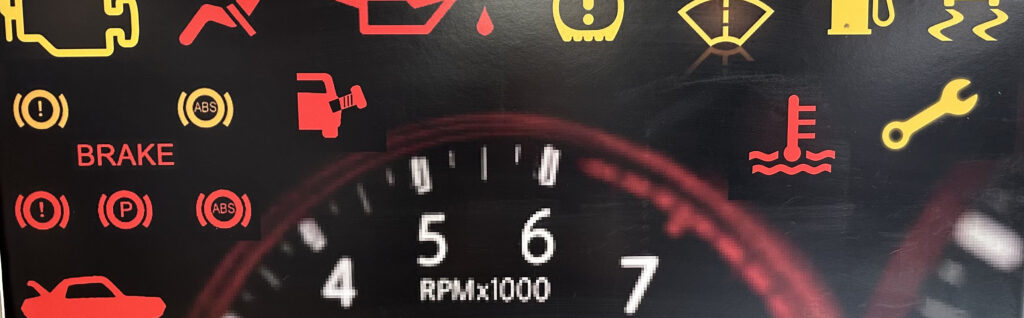
Modern vehicles contain dozens of sensors constantly measuring what is happening inside the engine, exhaust system, transmission, tires, and other systems. Some newer vehicles have dozens of sensors when everything from engine management to safety and driver assistance technology is included.
For everyday maintenance, however, a smaller group does much of the work involved in keeping your engine running efficiently and your emissions under control. These sensors can also be behind that frustrating check engine light and many emissions inspection problems.
Understanding a few of the important ones can make that dashboard warning a little less mysterious.
Oxygen sensors, commonly called O2 sensors, monitor the amount of oxygen in your vehicle’s exhaust.
The engine computer uses this information to continually adjust the mixture of fuel and air being burned by the engine. The right mixture helps produce power efficiently while controlling emissions and fuel consumption.
Most modern vehicles have multiple oxygen sensors located before and after the catalytic converter. This also allows the vehicle to monitor how effectively the catalytic converter is cleaning the exhaust.
A failing O2 sensor can contribute to poor fuel economy, rough engine performance, increased emissions, and a check engine light.
Your engine needs to know how much air is entering before it can determine how much fuel to add. The mass airflow sensor helps provide that information.
A dirty or failing mass airflow sensor can send inaccurate readings to the engine computer. That can affect acceleration, idle quality, fuel economy, and overall engine performance.
In some cases, the problem is the sensor itself. In others, dirt, an air leak, or another issue elsewhere in the intake system may be responsible.
Many vehicles use a manifold absolute pressure sensor, often called a MAP sensor, either instead of or in addition to a mass airflow sensor.
It measures pressure inside the intake manifold and helps the computer determine engine load. That information is used to control fuel delivery, ignition timing, and other engine functions.
Incorrect readings can contribute to poor fuel economy, hesitation, rough running, loss of power, and increased emissions.
Your engine computer also needs to know whether the engine is cold, warming up, or at normal operating temperature.
The coolant temperature sensor provides that information. A cold engine requires different fuel management than one that is fully warmed up.
If the sensor reports an incorrect temperature, the engine may use too much or too little fuel. Drivers might notice poor mileage, difficult starting, unusual idle behavior, or cooling fan problems.
Your catalytic converter helps transform harmful exhaust pollutants into less harmful emissions before they leave the tailpipe.
The vehicle uses oxygen sensors and, on some newer vehicles, additional exhaust sensors to monitor this process. When the computer determines that catalytic converter efficiency has fallen below an acceptable level, it can trigger a check engine light.
Importantly, a catalytic converter code does not automatically mean the converter itself needs to be replaced. Engine misfires, fuel mixture problems, sensor failures, exhaust leaks, and other conditions can sometimes contribute to the same warning.
For vehicles subject to Pennsylvania emissions inspection, the vehicle’s onboard diagnostic system plays an important role in determining whether the vehicle passes.
A check engine light related to an emissions problem can result in an inspection failure. The computer also runs a series of emissions monitors that need to complete their internal tests.
This is why simply clearing a check engine light immediately before inspection is not a solution. Clearing codes also resets these monitors. The vehicle needs to complete the appropriate driving cycles before the computer can confirm that its emissions systems are operating correctly.
If the underlying problem remains, the light will likely return anyway.
This is one of the most important things to understand about modern vehicle diagnostics.
A trouble code identifies what the computer detected. It does not necessarily identify the component that needs to be replaced.
For example, an oxygen sensor code could ultimately be related to an intake leak, exhaust leak, wiring problem, fuel delivery issue, or another condition causing the sensor to report an abnormal reading.
Replacing whatever component happens to appear in a code description can become an expensive guessing game.
If the check engine light stays illuminated, your vehicle is telling you that its computer has detected a problem worth investigating. The car may continue to drive normally, but fuel economy, emissions, or performance could already be affected.
A flashing check engine light is more urgent and can indicate an active misfire capable of damaging the catalytic converter. That should be addressed immediately.
At BBack Car Care in Doylestown, we use modern diagnostic equipment along with actual testing to determine why a warning light is on. With today’s vehicles, reading the code is often just the beginning. Understanding why the computer set that code is what leads to the right repair.
If your check engine light is on, your fuel economy has suddenly dropped, or you’re concerned about an upcoming Pennsylvania emissions inspection, bring your vehicle to BBack Car Care and let us find out what your car’s sensors are trying to tell you.