

- September 24, 2026
- By Chris Detore
- In Uncategorized
- 30
- 0
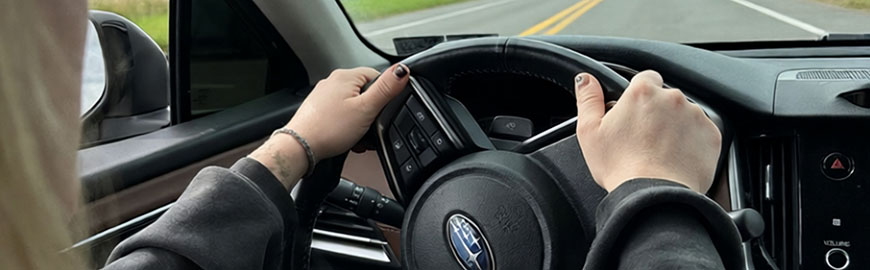
You turn the steering wheel and expect your car to respond immediately. It feels simple from the driver’s seat, but underneath the vehicle, a collection of steering and suspension components is working together to point the wheels in the right direction, keep the tires planted on the road, and maintain control over bumps and turns.
Tie rods, ball joints, shocks, struts, wheel bearings, and other components all contribute to how your vehicle handles. When one begins to wear, you can often feel the difference through the steering wheel.
Understanding what these parts do can also help you recognize a problem before it becomes a larger repair or safety concern.
On many modern vehicles, the steering rack translates movement from the steering wheel into movement at the wheels.
Problems within the steering rack or power steering system can result in stiff steering, inconsistent steering effort, unusual noises, leaks on some systems, or excessive play in the wheel.
Many newer vehicles use electric power steering rather than traditional hydraulic systems, which means diagnosing steering problems increasingly involves electronic diagnostics as well as mechanical inspection.
Tie rods are a critical connection between the steering system and the wheels. When you turn the steering wheel, the tie rods help transfer that movement so the front wheels turn accordingly.
Worn tie rods can cause loose or imprecise steering. You may notice the vehicle wandering, pulling, clunking when turning, or requiring small steering corrections to continue traveling straight.
Because tie rods directly affect your ability to control the vehicle, excessive wear should not be ignored.
Ball joints connect portions of the suspension while allowing the wheels to move up and down and turn from side to side.
As they wear, drivers may notice clunking noises, uneven tire wear, vibration, or steering that feels less precise. A severely worn ball joint can become a significant safety issue, making periodic suspension inspections important as a vehicle accumulates mileage.
Shocks and struts help control suspension movement and keep your tires firmly in contact with the road.
Worn shocks or struts can make a vehicle bounce excessively, lean during turns, dip during braking, or feel unstable over uneven pavement. They can also contribute to irregular tire wear.
This becomes particularly important during rain, snow, or emergency braking when maintaining consistent tire contact with the road matters most.
Proper wheel alignment ensures your wheels are positioned at the correct angles relative to the vehicle and the road.
If the steering wheel is crooked while driving straight, the vehicle consistently pulls to one side, or your tires are wearing unevenly, alignment may be part of the problem.
However, an alignment cannot correct worn steering or suspension parts. Those components need to be inspected and repaired first when necessary.
Unlike an oil change, there is not necessarily a single mileage interval for replacing most steering and suspension components. Much depends on the vehicle, mileage, driving conditions, and the condition of the roads you travel.
The best protection is paying attention to changes in how your vehicle feels.
Avoid potholes and curbs whenever safely possible. Have your alignment checked when you notice pulling or uneven tire wear. Maintain proper tire pressure and replace damaged or excessively worn tires. Most importantly, have unusual noises, vibrations, looseness, or changes in steering inspected rather than waiting for them to become severe.
Pennsylvania roads can be particularly hard on steering and suspension components. Potholes and rough pavement can accelerate wear or knock alignment out of specification, especially after winter.
A steering wheel that suddenly feels different is worth paying attention to. Shaking, pulling, looseness, stiffness, an off center position, or unusual feedback through the wheel can all provide clues about what is happening elsewhere in the vehicle.
At BBack Car Care in Doylestown, we can inspect your steering, suspension, tires, and alignment to determine what is causing the problem. Addressing worn components early can help protect your tires, prevent additional repairs, and most importantly, make sure your vehicle responds the way it should when you turn the wheel. Request an appointment on our website and a member of our team will be happy to confirm your appointment.