

- June 25, 2026
- By Bobbie Hicks
- In Uncategorized
- 485
- 0
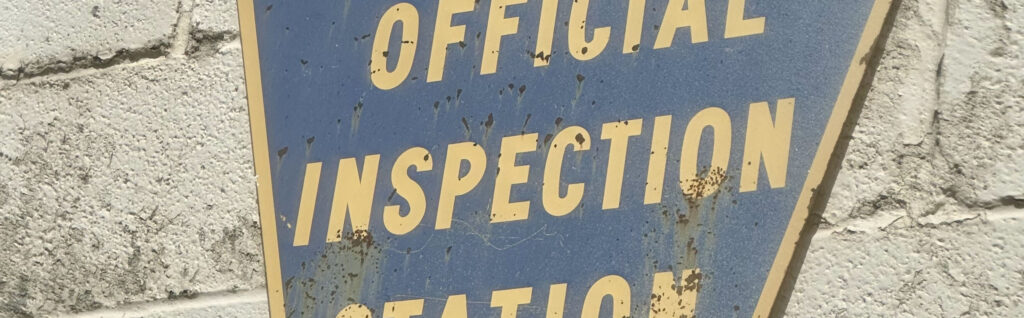
For many drivers, a Pennsylvania state inspection feels like a once a year checkpoint. You drop your vehicle off, wait for the results, and hope to leave with a fresh sticker. But when a car fails inspection, it often comes as a surprise.
Many inspection failures are caused by issues that develop slowly over time. Understanding the most common problems can help you catch them early, avoid unexpected repairs, and keep your vehicle safe on the road.
Brakes are one of the most common reasons vehicles fail inspection. Over time, brake pads wear down, rotors can become damaged, and components can stop performing as designed.
Some drivers notice warning signs like squealing, grinding, vibration when braking, or longer stopping distances. Others may not notice a major difference at all because brake wear happens gradually.
A routine brake inspection can identify concerns before they become a safety issue.
Your tires are the only part of your vehicle that touches the road, so they play a major role in inspection and overall safety.
Common tire related inspection issues include low tread depth, uneven wear, exposed damage, or sidewall problems. Alignment and suspension issues can also cause tires to wear unevenly, shortening their lifespan.
This becomes especially important during rain, snow, and icy conditions when traction is already reduced.
A check engine light can prevent a vehicle from passing. Vehicles constantly monitor emissions related systems through sensors and onboard computers. Problems with oxygen sensors, catalytic converters, fuel systems, or other components can trigger a warning light.
Even if your vehicle seems to drive normally, the system may detect an issue that needs attention.
Pennsylvania roads are tough on vehicles. Potholes, rough pavement, and normal wear can impact steering and suspension components over time.
Problems with ball joints, tie rods, shocks, struts, and other parts can affect handling and stability. Warning signs may include clunking noises, uneven tire wear, pulling to one side, or a loose feeling while steering.
Ignoring these symptoms can lead to additional wear and more expensive repairs.
Sometimes inspection failures come from simple items that are easy to overlook.
Burned out headlights, brake lights, turn signals, license plate lights, worn windshield wipers, or damaged mirrors can all cause problems during inspection.
Checking these items regularly can help avoid unnecessary surprises.
Small leaks may not seem like a big deal, but they can indicate bigger problems developing.
Leaks involving engine oil, coolant, brake fluid, transmission fluid, or power steering fluid should always be inspected. Beyond affecting reliability, certain leaks can create safety concerns depending on the location and severity.
Many drivers schedule their inspection right before their sticker expires. The challenge is that if repairs are needed, you have less time to address them.
Scheduling your Pennsylvania state inspection early gives you time to understand your options, complete any necessary repairs, and avoid the stress of an expired inspection.
A state inspection is designed to confirm that your vehicle meets required safety standards, but it is also an opportunity to catch problems before they become larger issues.
At BBack Car Care in Doylestown, we provide Pennsylvania state inspections and help drivers understand the overall condition of their vehicle. Whether it is routine maintenance or addressing a concern before inspection, our goal is to keep your car safe, reliable, and ready for the road.
If your inspection is due or you’d like to be proactive on repairs before your inspection window closes, schedule your appointment today.