


- February 7, 2026
- By Bobbie Hicks
- In Uncategorized
- 952
- 0
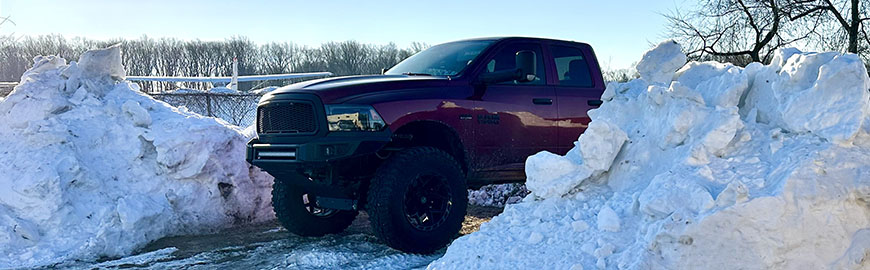
Extended cold weather puts added stress on your vehicle. Even if your car starts and drives, winter temperatures can expose underlying issues or create new ones that affect reliability, comfort, and safety. Understanding the warning signs early can help prevent breakdowns and costly repairs.
Below are some of the most common symptoms drivers experience during prolonged cold weather and what may be causing them.
One of the most noticeable winter issues is a slow engine turn or delayed start. Cold temperatures reduce battery efficiency and thicken engine oil, making it harder for the engine to crank. If your car struggles to start in the cold, it may be a sign of a weakening battery, aging starter, or charging system issues that should be addressed before you’re left stranded.
If your heater takes much longer than usual to produce warm air, it could point to low coolant levels, thermostat problems, or airflow issues within the HVAC system. While some delay is normal in cold weather, excessive warm-up time can indicate a system that isn’t operating efficiently.
Cold temperatures can cause power steering fluid to thicken, especially if it’s old or low. This can result in stiff or heavy steering, particularly when first starting the vehicle. In some cases, worn steering or suspension components become more noticeable in winter conditions and should be inspected.
Wheel shaking or wobbling during cold weather is often caused by ice or packed snow building up inside wheel rims. This throws off wheel balance and creates vibration, especially at highway speeds. While the issue may resolve once the ice melts, recurring vibration can also indicate tire balance or alignment problems that should be checked.
Cold air causes tire pressure to drop, which can affect traction, handling, and braking. Underinflated tires wear faster and perform poorly on slick winter roads. Regular pressure checks are especially important during prolonged cold spells.
Cold weather can stress electrical systems, sometimes triggering dashboard warning lights or intermittent electrical issues. Weak batteries, corroded connections, and aging sensors are more likely to show symptoms when temperatures stay low for extended periods.
While some winter-related issues may seem minor, they can quickly escalate if left unaddressed. Cold weather already reduces traction and visibility, and mechanical issues only increase the risk of breakdowns or unsafe driving conditions.
At BBack Car Care in Doylestown, we help drivers stay ahead of winter-related problems with thorough inspections and honest recommendations. Whether it’s a battery test, steering check, tire balance, or heating system evaluation, we’ll identify the cause and help keep your vehicle dependable through the coldest months.
If you’re noticing cold-weather symptoms such as slow starts, steering issues, vibration, or weak heat, it’s a good idea to have your vehicle checked sooner rather than later.
Contact BBack Car Care today to schedule a winter inspection and drive with confidence all season long.