


- January 12, 2026
- By Bobbie Hicks
- In Uncategorized
- 375
- 0
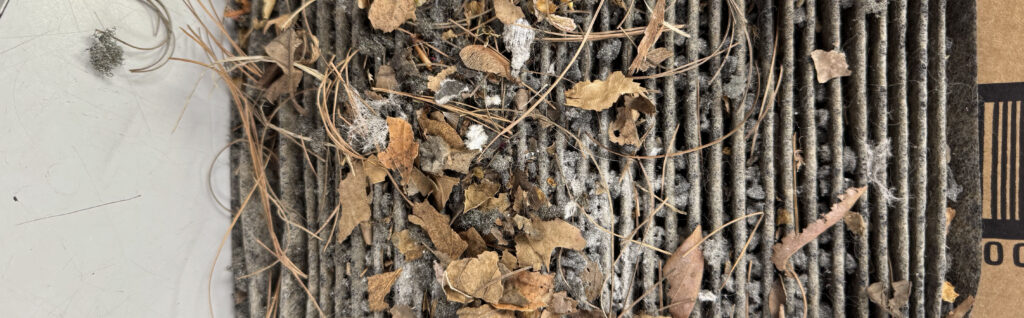
As temperatures drop, rodents look for warm, quiet places to shelter and cars often become an easy target. Mice and other small animals can cause real damage to a vehicle, especially during fall and winter, and many drivers don’t realize there’s a problem until warning lights, strange smells, or electrical issues appear.
Here’s what rodent damage looks like and what you can do to help prevent it.
.One of the most common problem areas is the HVAC system. Rodents can build nests in cabin air filter housings, restricting airflow and causing unpleasant odors when heat or air conditioning is turned on.
Wiring damage is another major concern. Modern vehicles rely heavily on electrical systems, and rodents often chew through wiring insulation. This can trigger dashboard warning lights, cause starting problems, or lead to intermittent electrical failures that are difficult to trace.
Rodents may also chew hoses, insulation, and other soft materials under the hood, potentially leading to leaks, overheating, or poor engine performance. In some cases, they make their way into the interior, damaging seat foam, carpeting, or trunk liners.
Rodent activity around vehicles increases in fall and winter. Cars parked outside overnight provide warmth and shelter, especially when temperatures drop. Vehicles that sit unused for extended periods are at even higher risk, as rodents can settle in without disturbance.
While no prevention method is guaranteed, these habits can significantly lower your chances of a problem:
Rodent damage isn’t always obvious. Schedule an inspection if you notice unusual smells when using heat or A/C, warning lights that appear without explanation, electrical issues that come and go, or visible debris under the hood.
At BBack Car Care in Doylestown, we inspect for signs of rodent damage during maintenance and diagnostic visits. If we find an issue, we’ll explain what’s affected, address the damage, and help you take steps to prevent future problems.
Rodent damage can escalate quickly and lead to costly repairs if ignored. A few preventative habits and routine inspections can go a long way toward protecting your vehicle, especially during the colder months.
If you suspect rodent activity and want your car looked through, contact BBack Car Care to schedule an appointment. We can check your air cabin filters and inspect areas where rodents may be causing damage.